The Importance of Insurance: Key Facts to Enhance Your Knowledge and Coverage
Insurance plays a vital role in safeguarding individuals and families from unexpected financial setbacks. It encompasses various types, including health, auto, and life insurance, each serving a distinct purpose. Understanding the intricacies of these policies can be challenging. Furthermore, misconceptions about insurance often cloud judgment. This discussion will explore essential facts and practical insights that can empower individuals to make informed choices about their coverage. What important elements should one consider when evaluating their insurance needs?
Understanding Different Types of Insurance
Insurance serves as a safety net, providing financial protection against unforeseen risks. It encompasses various types designed to address specific needs. Health insurance, for instance, covers medical expenses, ensuring individuals receive necessary care without financial strain. Auto insurance protects vehicle owners from losses due to accidents, theft, or damage, while homeowners insurance safeguards properties against risks like fire and natural disasters.
Life insurance offers financial security to beneficiaries in the event of the policyholder's death, providing peace of mind for families. Additionally, liability insurance protects individuals and businesses from legal claims, covering potential damages and legal fees.
Travel insurance is another type, offering protection against trip cancellations, lost luggage, and medical emergencies abroad. Understanding these various types aids individuals in selecting appropriate coverage tailored to their unique circumstances, fostering a sense of security and preparedness in an uncertain world.
The Role of Insurance in Risk Management
In the landscape of financial planning, risk management plays a pivotal role in safeguarding assets and ensuring long-term stability. Insurance serves as a critical component of this strategy, offering a safety net against unforeseen events that could lead to significant financial loss. By transferring risk from individuals or businesses to insurance providers, policyholders can protect themselves from burdensome liabilities, property damage, or health-related expenses.
A range of insurance policies—such as life, health, auto, and property—address specific risks, enabling people to customize their protection based on individual or business requirements. Having this personalized protection improves financial robustness, since it lessens the effect of negative occurrences. Moreover, insurance promotes tranquility, enabling policyholders to focus on growth and investment instead of dwelling on future complications. Ultimately, effective risk management through insurance does more than safeguard holdings but also contributes to overall financial well-being, highlighting its critical role in contemporary finance.
The Calculation of Premiums
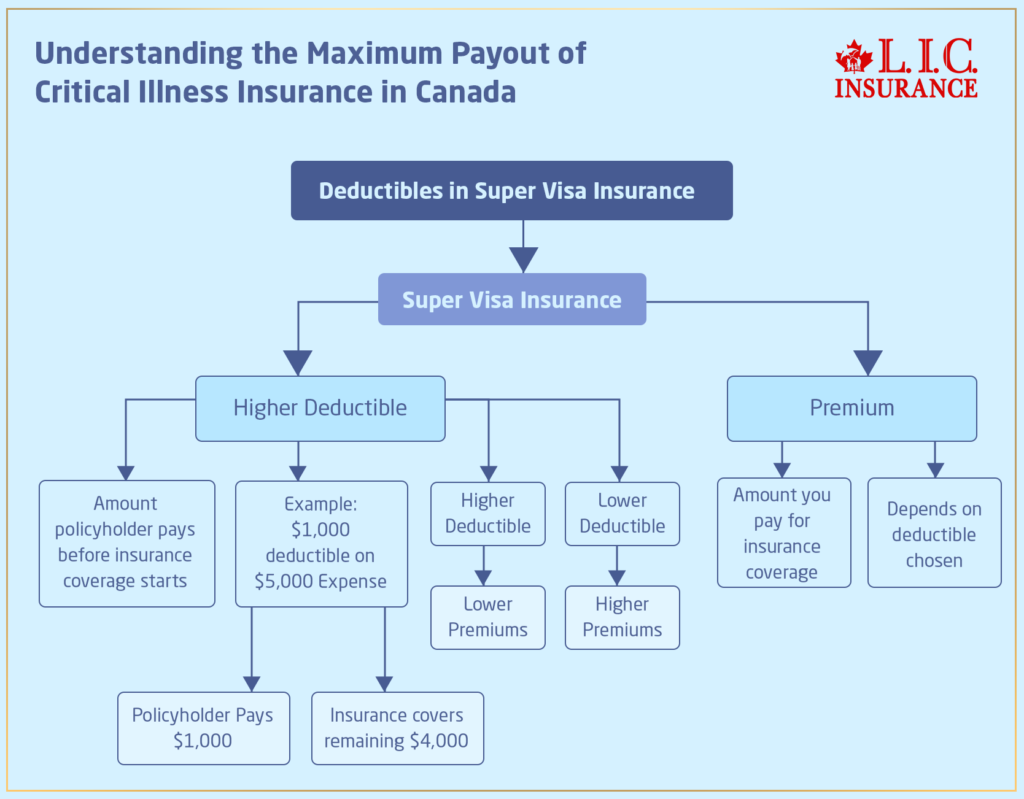
Numerous factors influence how premiums are determined, based on the specific situation of every client. Carriers analyze risk profiles, which include age, health, and lifestyle choices for health and life insurance, but property coverage usually takes into account location, asset value, and security measures. A policyholder's credit rating and history of claims are also important; if claims are filed often, premiums might increase.
Moreover, the level and scope of protection sought immediately affect the price. Policyholders opting for higher deductibles may benefit from lower premiums, since they take on greater financial accountability if a claim occurs. Insurance providers also assess market conditions and new rules that could influence how prices are set. In the end, these elements merge to establish a premium that precisely mirrors the risk assumed by the copyright, ensuring that policyholders receive coverage tailored to their specific needs and circumstances.
Understanding the Claims Procedure
Understanding the intricacies of the claims process is vital for policyholders, since it impacts their outcome after an incident. The claims process typically begins with the policyholder notifying their insurance company of the incident. The first report needs to contain pertinent information regarding the event and the resulting damage.
Once a claim is filed, an adjuster is assigned to assess the situation, validating that the claim is covered and figuring out the scope of protection. Clients might be required to furnish supporting documents, for example, pictures, purchase records, or police documentation, to support their claim.
After the evaluation, the insurance company will communicate their decision regarding coverage and compensation. If a claim is approved, payment is issued based on the policy terms. It is essential for clients to stay informed and engaged throughout this process to ensure a more seamless experience and to address any concerns promptly.
Debunking Common Insurance Misconceptions
Numerous individuals harbor false beliefs about insurance that can lead to misunderstanding and bad choices. Typical myths involve explanation the idea that all insurance is costly, that every policy provides identical coverage, and that claim submissions are often turned down. Addressing these myths is essential for promoting a clearer comprehension of how insurance operates.
Insurance Is Too Expensive
Insurance is commonly seen as a costly obligation, with many individuals believing it to be excessively costly. This viewpoint can discourage individuals from securing essential insurance, making them susceptible to unexpected dangers. In reality, insurance costs vary widely based on factors such as the form of coverage, maximum payouts, and individual circumstances. Numerous choices are available that accommodate diverse price ranges, allowing consumers to select plans that fit their financial situations. Additionally, the potential financial protection insurance provides often outweighs the cost, as it can prevent devastating losses. By recognizing the actual structure of insurance pricing, individuals can make informed decisions that focus on their monetary security and their protection against risks.
Policies Offer Identical Coverage
The false belief that every insurance plan is the same can lead to inadequate coverage and financial risk. In reality, insurance policies differ markedly regarding terms, conditions, exclusions, and payout maximums. Each policy is tailored to particular hazards and requirements, making it crucial for clients to grasp the variations of their options. To illustrate, homeowners insurance can show variation for acts of nature, legal safeguards, and private assets. Furthermore, various insurers might provide unique endorsements or discounts that can impact the total worth of the plan. Failing to recognize these differences may result in individuals purchasing inadequate protection or paying excess for unneeded coverage. Consequently, it is essential for consumers to meticulously review and judge policies to guarantee they meet their specific needs and circumstances.
Insurance claims get rejected every time

A common idea held by policyholders is that claims are always denied, a situation that creates distrust in the coverage providers. This misconception fails to acknowledge the reality that numerous requests get approved every day. Providers assess requests based on supporting proof and coverage stipulations. Refusals often occur due to incomplete evidence, policy exclusions, or untimely requests as opposed to a sweeping rejection. Policyholders may also misunderstand their insurance plan, leading to the perception of wrongful refusal. Furthermore, insurers are regulated, ensuring that unjust claims refusals are subject to appeal. To steer clear of miscommunication, individuals should read through their coverage documents and communicate clearly with their insurers. By challenging this false belief, consumers can build a more informed relationship with their insurers.
Guidelines for Picking the Right Coverage
Finding the best policy plan starts with a careful evaluation of personal requirements. It is vital to evaluate different plan alternatives to find the best fit for those particular needs. By knowing what matters most and evaluating different offerings, one can make an informed decision.
Assess Your Needs
How can individuals assure they choose the best protection for their specific situations? First, they must assess their particular requirements, including owned property, debts and obligations, and potential risks. A thorough evaluation of one’s lifestyle, health, and monetary status is vital. Individuals should consider elements like household count, property worth, and employment security, which can influence the nature and extent of necessary protection. Furthermore, understanding any legal requirements for insurance in their region is crucial. By recognizing these crucial components, individuals can create a tailored list of coverage essentials. This foundational knowledge gives them the ability to make informed decisions and make certain they are adequately protected against potential financial setbacks. In the end, a comprehensive self-assessment sets the stage for effective insurance selection.
Review Insurance Choices
Once specific insurance needs, individuals can start comparing various policy options available in the market. It is essential to assess coverage maximums, deductibles, and premiums to determine which policy offers the best value. Moreover, they should consider the insurer’s reputation for customer service and claims handling, as these factors can heavily influence the overall experience. Reviewing policy exclusions and terms is important to bypass unexpected gaps in coverage. Obtaining quotes from various insurers can also highlight disparities in price and perks, allowing for informed decision-making. In the end, the correct coverage should align with personal circumstances and financial goals, delivering tranquility and adequate protection against potential risks.
Questions and Answers

What Variables Impact Insurance Policy Exclusions and Limitations?
Factors influencing insurance policy exclusions and limitations involve risk evaluation, regulatory requirements, insurer underwriting practices, historical claims data, market competition, and specific terms negotiated in the policy, all affecting coverage terms and conditions.
May I Carry Multiple Insurance Policies for the Same Coverage?
Certainly, an individual is able to maintain multiple insurance policies covering the same risk. Nevertheless, should a claim arise, insurers may coordinate benefits, possibly reducing the amount paid based on the total coverage available across all policies.
How Often Should I Review My Insurance Policies?
Individuals should review their insurance policies annually or after significant life changes, such as marriage or home purchase. Regular assessments guarantee coverage remains adequate, costs are competitive, and policies align with their evolving needs.
What Defines the Contrast Between Term and Whole Life Insurance?
Term life insurance provides coverage for a specified period, providing reduced rates but no cash value. A whole life policy, however, by contrast, provides lifelong coverage, accumulating cash value and generally costing more.
How Does Insurance Fraud Impact Policyholders and Premiums?
Fraud in the insurance sector heavily impacts policyholders, leading to increased premiums because insurers must cover the resulting losses. This dishonest behavior undermines trust in the system, which ultimately impacts all participants through increased costs and more complex claims processes.